Should You floss Before or After Brushing?
Brushing vs Flossing: Which Should Come First?
You brush your teeth twice a day and know that flossing is important. But have you ever stopped to wonder: should you floss before or after brushing your teeth?
The simple answer is that flossing before brushing is a great choice. Flossing first helps loosen plaque and food from between your teeth. You can then brush these particles away and allow the fluoride in your toothpaste to reach more areas of your teeth.
However, the order isn’t the most important part. What really matters is that you brush twice a day and clean between your teeth every day.
At Happy Smiles Dentist Hornsby, we’re passionate about helping our patients build simple oral hygiene habits that keep their teeth and gums healthy.
Is It Better to Floss Before or After Brushing?
For most people, we recommend a simple routine:
Floss → Brush → Spit, don’t rinse
Why floss first?
Your toothbrush cleans the front, back and chewing surfaces of your teeth, but it cannot always reach the small spaces between them.
Flossing helps remove plaque, bacteria and trapped food particles from these hard-to-reach areas. Once this debris has been loosened, brushing can help clear it away.
Brushing afterwards with fluoride toothpaste also helps fluoride reach the freshly cleaned spaces between your teeth.
What If I Floss After Brushing?
If you prefer to floss after brushing, don’t stop!
Flossing after brushing can still be an effective part of your oral hygiene routine. In fact, flossing regularly is more important than whether you floss before or after you brush.
If brushing first and flossing afterwards is the routine you are most likely to follow every day, stick with it.
Consistency is key when it comes to keeping your teeth and gums healthy.
How Often Should You Floss?
You should aim to clean between your teeth once a day.
For many people, flossing at night before brushing their teeth is an easy habit to maintain. It removes the plaque and food particles that have built up between the teeth throughout the day.
Depending on your teeth and gums, traditional dental floss may not always be the best option. Your dentist may recommend:
- Dental floss
- Floss picks
- Interdental brushes
- Water flosser
- Other interdental cleaning products
The right option depends on the size of the spaces between your teeth, your dental work and your individual oral health needs.
How to Floss Your Teeth Correctly
Good flossing technique is just as important as remembering to floss.
Follow these simple steps:
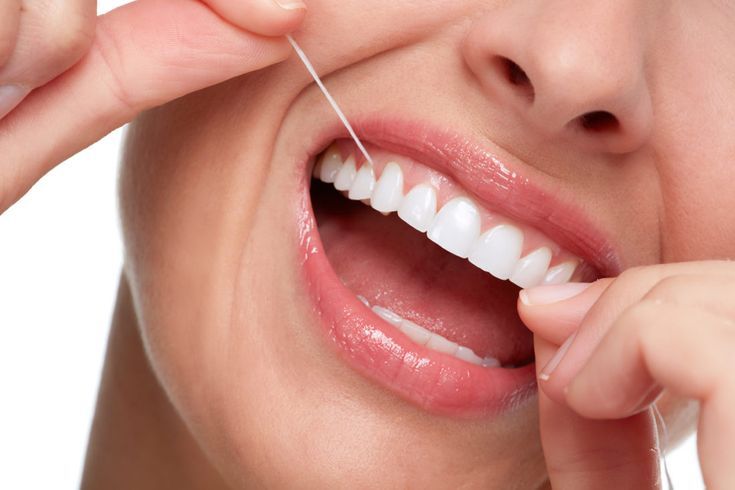
- Gently guide the floss between two teeth.
- Curve the floss around the side of one tooth to create a C-shape.
- Gently move the floss up and down against the side of the tooth and towards the gumline.
- Repeat on the other tooth.
- Move to a clean section of floss before cleaning the next space.
Avoid snapping or forcing the floss into your gums. Flossing should be gentle and controlled.
If you find traditional floss difficult to use, ask your dentist about other ways to clean between your teeth.
Why Do My Gums Bleed When I Floss?
Have you noticed a little blood when you floss?
Bleeding gums can sometimes be a sign of inflammation caused by plaque building up around the gumline. You may also notice bleeding when you first start flossing regularly.
However, ongoing or frequent bleeding should not be ignored.
Book a dental check-up if your gums regularly bleed when brushing or flossing, or if you notice:
- Red, swollen or tender gums
- Persistent bad breath
- Gum recession
- Loose teeth
- Pain or discomfort around your gums
Your dentist can check your gum health and help determine what may be causing the bleeding.
What Is the Best Daily Oral Hygiene Routine?
A good oral hygiene routine doesn’t need to be complicated.
For most people, a simple routine includes cleaning between the teeth once a day and brushing twice a day for two minutes with fluoride toothpaste.
Use a soft-bristled toothbrush and brush gently along your gumline. After brushing, spit out the excess toothpaste rather than immediately rinsing your mouth with water.
And don’t forget your regular dental check-ups and cleans. Even with excellent brushing and flossing at home, regular dental visits give your dentist an opportunity to check your teeth and gums and identify potential problems early.
So, Should You Floss Before or After Brushing?
Flossing before brushing is a good routine to follow.
Flossing first removes plaque and food particles from between your teeth. Brushing afterwards helps clear away the loosened debris and allows fluoride toothpaste to reach more of the tooth surface.
But if you prefer to floss after brushing, that’s okay too.
The most important message is simple: clean between your teeth every day and brush twice a day.
Need Help Looking After Your Teeth and Gums?
Not sure if you’re flossing correctly? Or perhaps your gums bleed when you brush or floss?
The friendly team at Happy Smiles Dentist Hornsby can assess your teeth and gums, demonstrate the best way to clean between your teeth and recommend an oral hygiene routine suited to you.
We provide dental care for individuals and families in Hornsby and surrounding areas, including Waitara, Wahroonga, Asquith, Hornsby Heights and Mt Colah.
Book a check-up and clean with Happy Smiles Dentist Hornsby today and let us help you keep your smile healthy.